


Infor CloudSuite Compliance Across Enterprise Data
Infor CloudSuite Data Through Fiscal Processing
- Supplier Procurement Capture: Collects purchase receipts, supplier details, and order references supporting transactions requiring fiscal documentation and invoice processing.
- Demand Planning Coordination: Uses planning context to connect replenishment activity with subsequent commercial and billing records across connected operations.
- Customer Order Fulfillment: Associates customer orders with allocation, fulfillment, and invoice information across connected CloudSuite processes and workflows.
- Chargeable Service Activity: Relates chargeable service information with customer accounts and corresponding billing transactions across CloudSuite business operations.
- Project Accounting Integration: Connects project costs and billable activity with financial records supporting invoice preparation and accounting processes.
- Financial Posting Coordination: Links invoice outcomes with accounting entries and reporting structures used within CloudSuite finance and financial administration.
Infor CloudSuite Connections Across Enterprise Workflows
Infor CloudSuite can connect finance, procurement, supply planning, order management, service, projects, inventory, and other industry applications, creating relationships that can support fiscal invoicing without isolating transactions from their operational sources.
- Relates purchase receipts to supplier billing records
- Connects demand plans with replenishment transactions
- Associates project charges with customer accounts
- Links fulfillment activity with commercial documentation
Business Visibility Within Infor CloudSuite
- Supplier Account Visibility: Purchasing teams retain supplier context when related invoice information enters connected fiscal workflows for processing.
- Customer Order Traceability: Commercial users can follow invoice records back through originating Infor CloudSuite order activity and transactions.
- Product Inventory Context: Billing information can retain relevant product and inventory relationships from operational transactions during invoice processing.
- Financial Accounting Continuity: Finance teams can associate fiscal documents with corresponding accounting information inside Infor CloudSuite for review.
- Project Billing Oversight: Project teams gain clearer visibility between chargeable activities and resulting customer billing transactions.
- Enterprise Application Coordination: Connected Infor CloudSuite applications can share invoice context without creating disconnected operational records across business workflows.
Infor CloudSuite Review Across Key Records
Supplier Agreement Review
Supports invoice checks against purchasing relationships and approved supplier transaction details.
Demand Record Linkage
Connects planning references with commercial transactions where replenishment influences subsequent billing.
Project Charge Monitoring
Helps verify billable project information before associated fiscal documents enter processing.
Infor CloudSuite Teams Using Fiscal Integration
Infor CloudSuite supports organizations where procurement, supply, commercial, service, project, inventory, and finance teams depend on connected enterprise information for coordinated transaction management.
- CloudSuite procurement teams coordinating supplier activity
- Project groups managing chargeable customer activity
- Supply teams reviewing replenishment-linked transactions
- Commercial teams overseeing connected order records
Simplify Your Enterprise Document Process
Connect Infor CloudSuite with Mauritius fiscal invoicing through Advintek.
Strengthen your CloudSuite compliance workflow today.
Ready e-Invoice System
Frequently Asked Questions Infor CloudSuite e-Invoicing Mauritius
How can Infor CloudSuite procurement data support Mauritius e-invoicing?
CloudSuite procurement information can provide supplier identities, purchase orders, receipt details, item references, and purchasing relationships that may support connected fiscal records. Advintek can select relevant procurement information and associate it with the appropriate transaction flow, allowing invoice processing to retain purchasing context rather than treating fiscal documents as isolated financial records.
Can CloudSuite planning information contribute to invoice-related workflows?
Planning information can provide operational context when replenishment, demand, or supply decisions lead to commercial transactions. Advintek can connect relevant planning references with downstream CloudSuite order or billing information where those relationships exist. This creates a clearer transaction trail while avoiding unnecessary duplication of planning data inside the fiscal invoicing workflow.
How does CloudSuite handle project-related invoice information?
Where CloudSuite applications manage projects, chargeable activities and project accounting information can provide useful billing context. Advintek can associate selected project references, customer information, and billable activity with corresponding invoice records. This helps project and finance teams understand the operational source of fiscal documents without disrupting established project accounting processes within CloudSuite.
What CloudSuite order information can be connected to fiscal invoices?
Customer orders can contain commercially important information such as products, quantities, pricing, fulfillment details, and account references. Advintek can use relevant order information when preparing fiscal invoice records, while maintaining the relationship with originating CloudSuite transactions. This helps commercial teams trace invoices back to the business activity that generated them during review.
How does Advintek connect Infor CloudSuite applications with Mauritius fiscal processing?
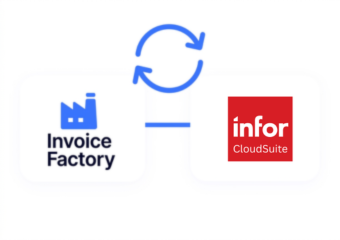
Advintek acts as the integration layer between relevant CloudSuite applications and the Mauritius fiscal environment. It can collect selected enterprise transaction data, structure the required invoice information, manage the fiscal exchange, and associate returned information with source records. This allows CloudSuite users to participate in fiscal invoicing without redesigning their underlying enterprise transaction workflows.